
Marbury Hall, located within the civil parish of Anderton with Marbury in the county of Cheshire, England, embodies a rich tapestry of history laced with the essence of English nobility and the evolution of rural life over centuries. The story of Marbury Hall is interwoven with the broader historical narrative of the region, reflecting both the social transformations of the area and the architectural evolution that characterizes Cheshire’s stately homes.
Marbury Hall, Anderton with Marbury: A Historical and Cultural Exploration
Marbury Hall, located in the picturesque village of Anderton with Marbury in Cheshire, England, serves as a significant emblem of historical architecture and cultural heritage. This grand Georgian manor house, with its rich history and charming surroundings, not only showcases the architectural styles of its era but also reflects the social dynamics and agricultural developments of the Cheshire region. This essay will delve into the historical significance, architectural features, cultural relevance, and the communal aspects of Marbury Hall, ultimately highlighting why it remains an essential part of the local historical narrative.
Historical Background
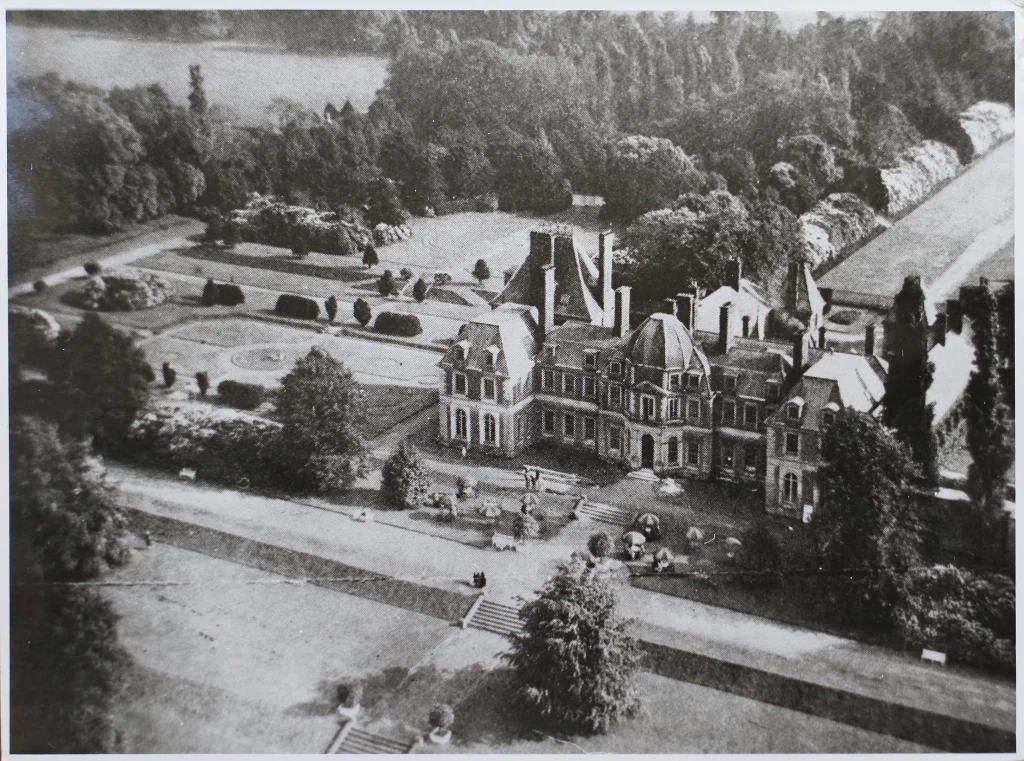
Marbury Hall was built in the late 18th century, around the 1780s, during a period marked by social change and the rise of the British gentry. It was commissioned by the locally prominent Marbury family, who played a crucial role in the elite of Cheshire society. The estate’s construction coincides with the Georgian era, a time characterized by elegance and a burgeoning appreciation for nature and landscape architecture. The Hall was designed to showcase wealth and status, with its grandeur reflecting the prosperity that the agricultural revolution brought to the region.
As the years progressed, Marbury Hall saw various transformations and adaptations to its structure, becoming a focal point for various societal gatherings and events in the local community. The estate’s historical backdrop is characterized by the transitions in land ownership, changes in taste and style, and the socio-economic factors that influenced life in Cheshire. Throughout the 19th century, the Hall and its surrounding lands became synonymous with local agricultural practices, which contributed to the region’s prosperity.
Architectural Features
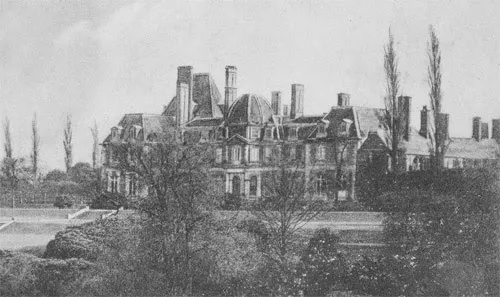
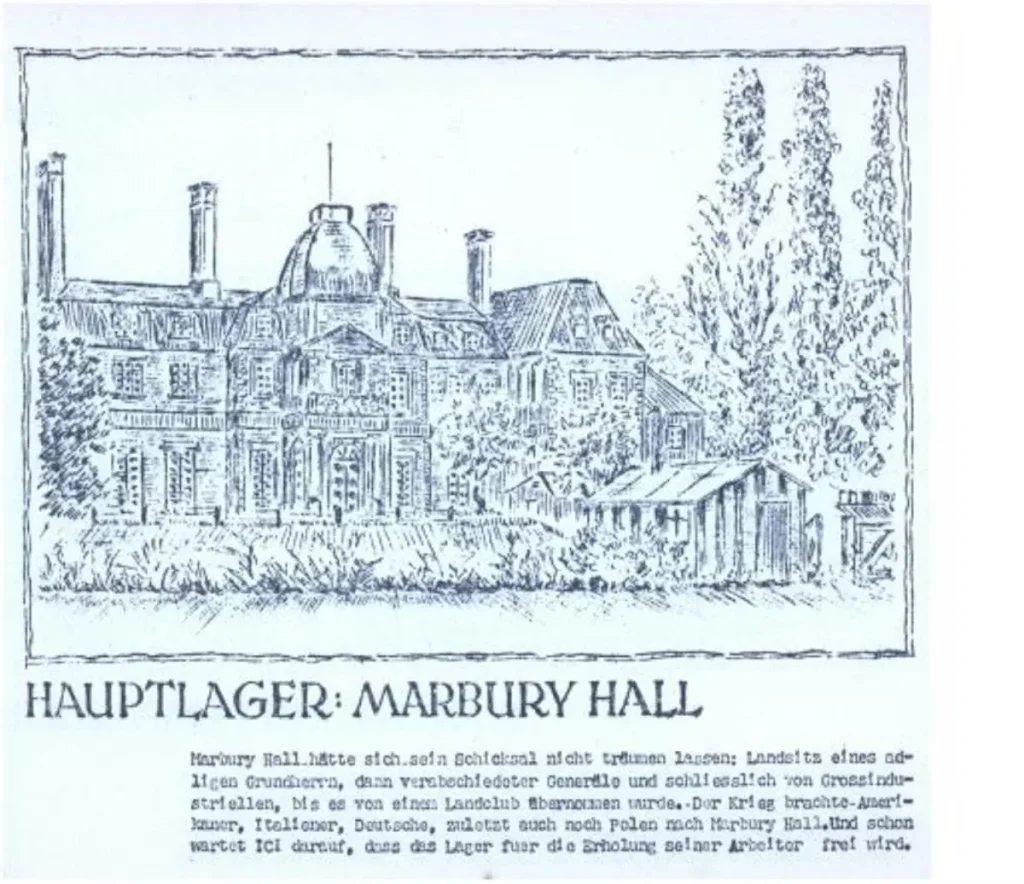
Marbury Hall boasts several architectural features that embody the essence of Georgian design. Originally constructed in red brick with decorative stone elements, the house showcases a classic symmetrical façade and ornate details characteristic of the period. The principal entrance features an elegant portico supported by columns, leading into a grand hallway that exudes both sophistication and charm.
One of the hallmarks of Georgian architecture is its emphasis on proportion, balance, and harmony in design, all of which are evident in Marbury Hall. The strategic placement of windows allows for ample natural light, while the arrangements in the landscape incorporate gardens that complement the house’s aesthetic. The grounds surrounding Marbury Hall include manicured lawns, ornamental gardens, and expansive woodlands, designed to reflect the Romantic ideals prevalent in the 18th and 19th centuries.
Internally, Marbury Hall encapsulates the luxurious lifestyle of the gentry class, featuring period furnishings, grand fireplaces, and intricate plasterwork. The layout includes spacious drawing rooms, dining areas, and private chambers, all designed with a keen sense of elegance that suited the social gatherings of the era. Although the Hall has undergone alterations and restorations, many of its original features have been preserved, providing visitors with a glimpse into the past.
Cultural Relevance
Marbury Hall is more than just an architectural masterpiece; it is a center of cultural significance within the local community. The estate has historically served various purposes, including being a venue for local events, celebrations, and recreational activities, thereby fostering a sense of community among the residents of Anderton with Marbury.
In recent years, the Hall encapsulates the broader cultural narrative of Cheshire’s evolution, symbolizing the shift from agrarian society to modern-day developments. The estate’s grounds are often used for community events, festivals, and educational programs that emphasize the importance of preserving local history and engagement with heritage. These activities not only enhance community spirit but also generate awareness and appreciation for the historical significance of Marbury Hall.
Preservation and Community Engagement
The preservation of Marbury Hall has become a focal point for historical conservation efforts in the region. Local historians, civic organizations, and community members have collaborated to maintain the Hall’s structural integrity and cultural relevance. This commitment to preservation stems from a collective recognition of the Hall’s importance not just as an architectural entity but as a living narrative that chronicles the essence of the local identity.
Moreover, Marbury Hall has become an educational resource for local schools and heritage programs, providing opportunities for residents and visitors alike to engage with Cheshire’s rich history. Guided tours, workshops, and talks aimed at educating the public about the Hall’s history and architecture are organized, ensuring that the stories of the past continue to resonate with future generations.
Marbury Hall, Anderton with Marbury: A Historical Overview
Historical Foundations
The history of Marbury can be traced back to the Anglo-Saxon period, with its name deriving from the Old English terms “mearc” (boundary) and “burh” (fortified place), suggesting its significance as a center of settlement and governance. The Domesday Book of 1086 mentions Marbury, indicating it was a land of note even in the early medieval period. The parish of Anderton was established as part of the larger Cheshire landscape that featured a mix of pastoral and arable farming, and it developed into a thriving community throughout the Middle Ages.
By the 16th century, Marbury was notably home to several prominent families, including the Bredbury family, who influenced local governance and land use. These early inhabitants were pivotal in the region’s social and economic development, laying the groundwork for the future prominence of Marbury Hall.
The Rise of Marbury Hall
The existing structure of Marbury Hall, a fine example of early Georgian architecture, is believed to have been constructed in the early 18th century, specifically around 1711. Built as a residence for the local gentry, it epitomized the grace and elegance characteristic of its time. The architect behind its design is thought to have been influenced by the burgeoning Palladian style, which emphasized symmetry and classical proportions, marking a departure from the more elaborate Baroque style that had preceded it.
Many historical records suggest that Marbury Hall served as a family home and a hub of social life for the local aristocracy. Over the years, the Hall passed through several notable families, each contributing to the property’s legacy and that of Anderton with Marbury. The most significant of these was the Egerton family, who played a crucial role in shaping the cultural and economic landscape of Cheshire under the patronage of the Earl of Bridgewater. The Egertons were known not just for their political influence but also their contributions to the arts, having been patrons of several significant cultural projects in the region.
Architectural Features and Development
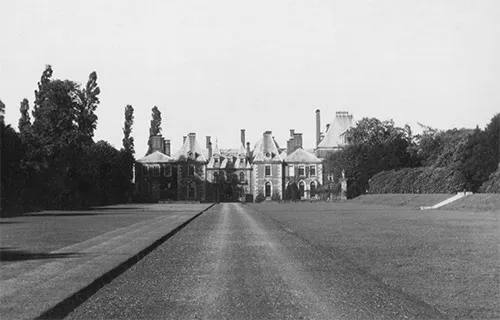
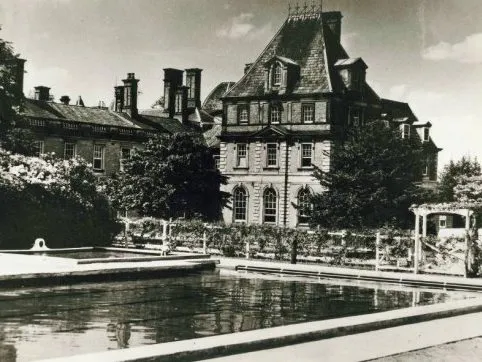
Marbury Hall is distinguished not only by its historical significance but also by its architectural features. The building itself boasts elegant stonework and a symmetrical facade typical of the Georgian period. Its interiors reflect the elegance of its era, showcasing a blend of period furniture, intricate plasterwork, and grand fireplaces that narrate the story of life during the late 17th and early 18th centuries in Cheshire.
Moreover, the Hall is surrounded by extensive parkland, indicative of the English landscape design that flourished in the 18th century. Formal gardens, winding paths, and ornamental trees were meticulously planned to enhance the beauty of the estate. These grounds not only served aesthetic purposes but were essential in defining the social hierarchy, often used for hosting lavish gatherings and events that brought together the local gentry and distinguished visitors from outside the region.
The Transition Through Time
By the 19th century, the changing social landscape began to influence the fate of Marbury Hall. The decline of the land-owning aristocracy and the rise of industrialization in nearby urban centers meant that many such historic estates were repurposed, left abandoned, or in need of significant financial investment. Marbury Hall was not immune to these changes. During this time, it underwent several renovations and modifications, with various owners attempting to adapt to shifting economic realities.
The 20th century brought further changes, including the establishment of various agricultural practices in the Marbury area that sought to utilize the Hall’s lands productively. These adaptations reflect a broader trend whereby rural estates transformed their purpose to meet modern needs while striving to preserve their historical integrity.
Marbury Hall Today
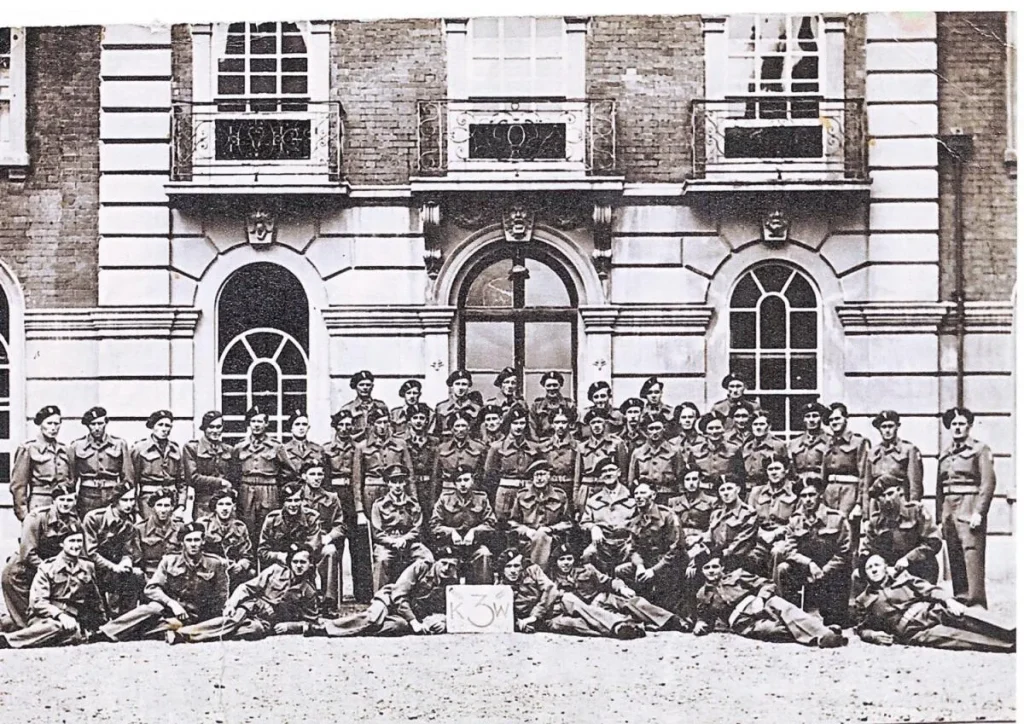
In contemporary times, Marbury Hall stands as a testament to the rich historical narrative that defines Anderton with Marbury. While the Hall is privately owned, its historical significance has been acknowledged in various heritage programs aimed at preserving its legacy. The building and its grounds have become a focal point for local heritage events and community engagement, fostering a connection between residents and their history.
Local heritage organizations regularly host events that celebrate the Hall’s architectural beauty and the historical context of Anderton with Marbury, including guided tours that illuminate the narratives of the families that once inhabited it and the pivotal role it played in the broader landscape of Cheshire.
Conclusion
In conclusion, Marbury Hall stands as a testament to the historical, architectural, and cultural richness of Anderton with Marbury and the Cheshire region at large. Its impressive structure, rooted in Georgian design, carries the stories of a bygone era while remaining a vibrant part of the community’s social fabric. As a valuable historical landmark, Marbury Hall not only reflects the evolution of architectural taste and social structure but also serves as a focal point for community engagement and education. Its preservation is crucial, ensuring that future generations can appreciate and learn from the historical narrative encapsulated within its walls, reminding us of the importance of heritage in shaping our identity and community.